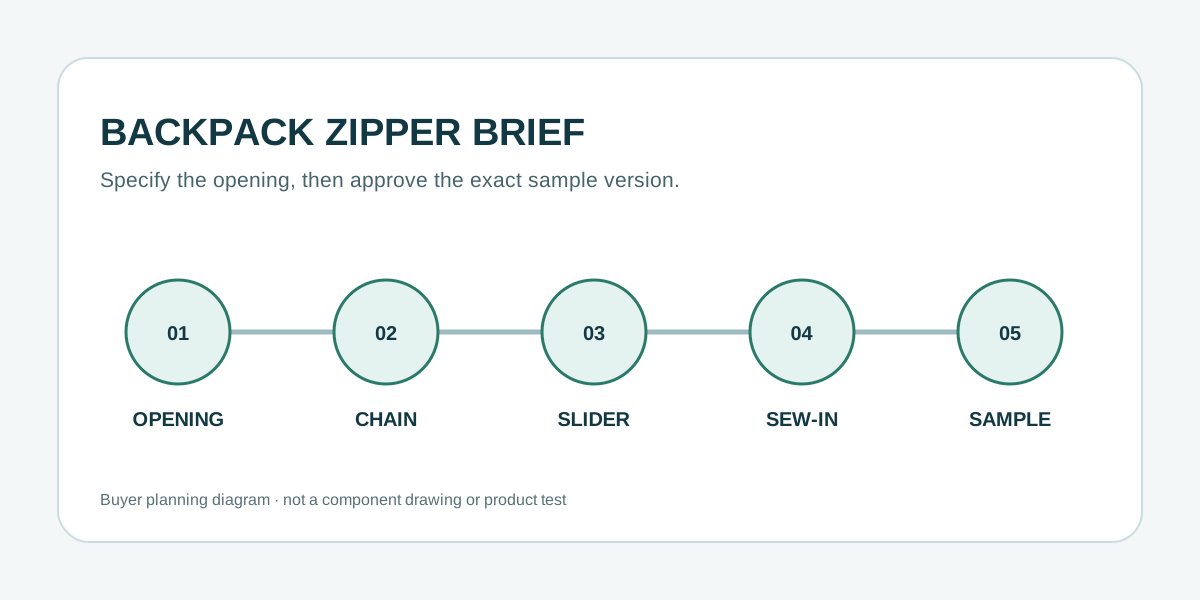
A backpack zipper can look like a small line item until a sample reaches the buyer: the opening feels too narrow, the lining catches, or the two pulls stop in the wrong place. For an OEM quotation, “use a strong zipper” is not a comparable specification. This guide turns the closure into a short, reviewable brief.
It is written for brand teams, importers and procurement managers comparing private-label backpacks or revising an existing style. The questions apply to the bag and the intended use, not to a presumed YUEHU component. Confirm the supplier, series, dimensions, sample and any performance requirement for the actual project before purchase or marketing.
Prepared by YUEHU Buying Guides as a buyer-side planning worksheet. No YUEHU zipper, backpack sample or production lot was tested to create this article. Component examples are questions to resolve, not verified YUEHU product claims.
1. Name the opening before choosing hardware
List each zippered opening separately: main compartment, laptop access, front pocket, side pocket, expansion section or removable pouch. A backpack may use different components on each opening because the shape, access pattern and contents differ. Mark the opening on a photo or sketch and explain how the customer will reach it while the bag is upright, lying flat or being carried.
For the main opening, state whether the user should open only the top, travel around a corner, or open a suitcase-style panel. Describe the intended opening extent and whether one or two sliders are wanted. For a two-slider closure, mark where the pulls should meet when closed. Do not assume that “double zipper” communicates pull direction or final position.
Specify the reference bag and revision. An existing catalogue photo can start the conversation, but the buyer should identify the exact opening to discuss and whether its construction is to be retained or changed. If the opening geometry is undecided, ask the supplier for alternatives and price them separately rather than treating them as equivalent.
2. Ask for an identifiable component, not just a material adjective
Request the proposed zipper supplier and series or a clearly described alternative. Record chain type, nominal size, tape and element colour, slider type and finish, pull design and any branded detail. If the buyer has a required supplier or component code, put it in the brief; if not, label these as options to be proposed. This makes substitution and reordering discussions much clearer than words such as “premium” or “heavy duty”.
A nominal size is not the same as the finished zipper length or the bag opening width. YKK's product information explains that zipper size describes chain width, while its measurement guide defines product length using particular endpoints depending on the zipper construction. That is a useful reminder to agree the exact series and how length will be measured with the chosen supplier; do not copy a generic number into every opening.
Two visible zippers may also differ in tape, slider, pull or finishing. Ask which parts are included in the quoted unit and whether the pull is supplied, attached or customised separately. If colour matching matters, send a named colour reference or approved swatch; a screen image alone is not a stable production reference.
3. Describe how the zipper meets the bag
The closure has to work after it is sewn into the bag. Show the surrounding fabric, lining, seam allowance, flap or cover, corner shape and reinforcement where relevant. A component can operate freely in isolation but be difficult to use once a lining edge or nearby pocket interferes with the slider. Ask the supplier to identify the construction it proposes and the point at which the zipper ends are secured.
YKK's general sewing guidance notes that a slider needs room to pass and that sewing too close to the elements may make operation heavy or allow fabric to catch, especially with a lining. It does not specify the correct spacing for every backpack. Use that principle to ask for a sample inspection at the actual opening rather than prescribing an unsupported universal seam distance.
During development, note whether the pull remains accessible at corners and when the bag is filled with representative contents. Record any fabric catching, awkward start position or unintended pressure on the closure as an observation. Do not diagnose a manufacturing defect solely from one difficult operation without checking the agreed construction and use conditions.
4. Review the complete use sequence on the sample
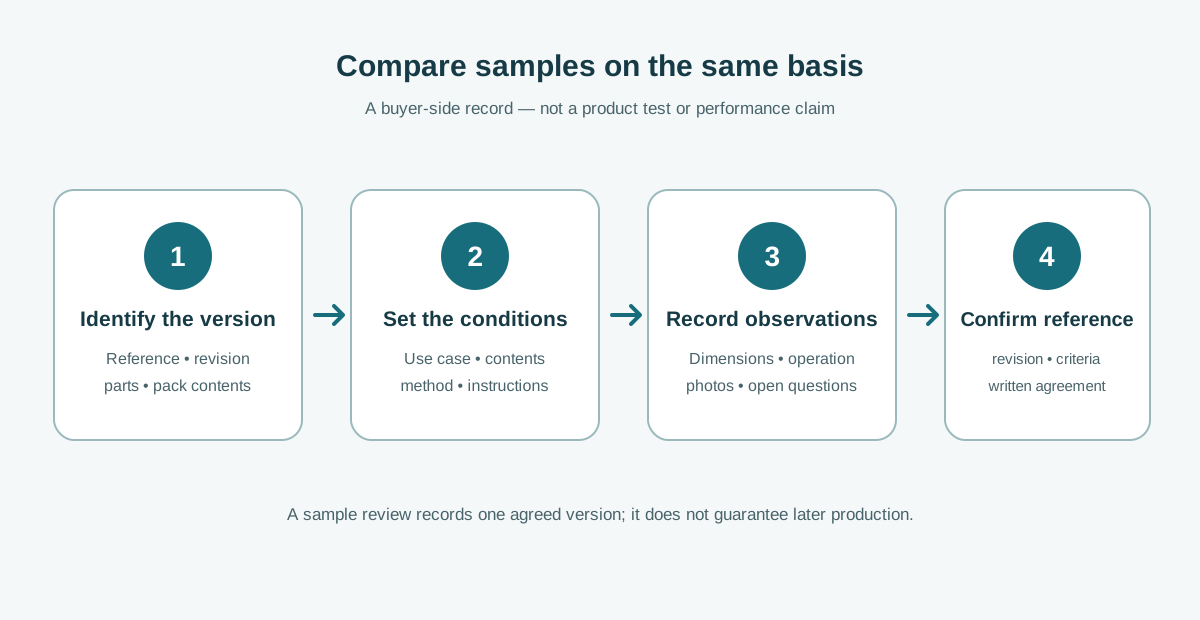
Agree the bag revision, sample ID and representative contents before comparing proposals. A buyer can check whether the opening allows intended access, whether the slider can travel its full path without snagging, whether the pulls meet where specified, and whether the closure can be used without forcing the bag. Repeat the same sequence on each candidate sample if a comparison is needed, and record any differences in contents or handling.
- Photograph the opening, component markings if available, and the two ends before use.
- Open and close the empty bag in the intended direction, including corners and the final pull position.
- Add the agreed representative contents and repeat; note access, interference and whether closure needs force.
- Check the nearby lining, flap and pocket edges for catching or rubbing that a flat component photo would hide.
- Record each observation with the sample revision, date and proposed correction; separate a preference from a requirement.
This is a practical usability review, not a strength or durability test. A few openings do not establish a cycle-life claim. YKK also cautions that forcing an overfilled bag closed can put load on zipper elements or tape. Define any required load, water-resistance, repeated-use or other performance claim with the responsible parties, suitable method and acceptance criteria; neither a catalogue label nor this checklist proves it.
5. Keep the quote, sample and bulk specification aligned
Ask each supplier to identify which opening and component version it priced, including the slider, pull, colour, branding and installation assumptions. If one supplier proposes a different chain or pull, compare it as an alternative with its own sample and price, not as an invisible substitution. Record which details are still subject to approval.
When the buyer approves a sample, attach the component reference, bag revision, annotated photographs and the quotation version to one approval record. Agree how a change in supplier, zipper series, pull, colour or installation will be disclosed and reviewed before bulk production. Sample approval is limited to the version examined; it is not evidence that every later unit has passed an inspection.
Keep this closure record with the rest of the backpack Tech Pack. The custom backpack RFQ template can help ask multiple suppliers the same commercial questions, while the fabric guide addresses a different decision: choosing and describing the bag material. Separating these decisions makes a quotation more comparable.
Copyable backpack zipper brief
Use one record per opening. You can download the plain-text brief and attach marked-up sample photos when contacting a supplier.
Product and revision: [ ]
Opening and intended access: [ ]
Opening shape / extent / representative contents: [ ]
One or two sliders; direction and final position: [ ]
Supplier, series, chain type and size: [required / proposed / undecided]
Finished length and measurement reference: [confirm with supplier]
Tape, element, slider and pull colours / finishes: [ ]
Pull design, branding and included parts: [ ]
Lining, flap, seam and corner construction: [ ]
Sample review sequence and acceptance questions: [ ]
Approved component and bag revision: [ ]
Quotation inclusions, alternatives and substitution approval: [ ]
Common buyer questions
Is a larger zipper number automatically better for a backpack?
No single size answers every opening. The number describes a component dimension within a particular series; the useful choice depends on the bag construction, intended use and supplier's product guidance. Ask for a proposed component and sample, then define any performance assessment separately.
Can I specify a brand name without a component code?
A brand preference narrows the conversation but does not identify the series, size, slider, pull or finish. Ask the supplier for the exact proposed reference and disclose whether equivalent alternatives are acceptable.
Does a covered zipper make the backpack waterproof?
Not by itself. A flap, coated component or cover describes construction, not a verified whole-bag performance level. If a water-resistance claim matters, define the intended exposure, whole-product method, threshold and evidence before using it in marketing.
How should I discuss an existing YUEHU backpack?
Share the exact product link, such as the KB2205 expandable laptop backpack or KB657 business travel laptop backpack, and mark the opening you want reviewed. A public product photo is a reference, not confirmation of a zipper supplier or a tested performance level. Ask for current project-specific component and sample details.
Sources and boundaries
General component definitions and handling principles: YKK, zipper size; YKK, zipper measurement; YKK, sewing clearance; YKK, use and overfilling guidance. These are component-maker references, not evidence that YUEHU uses YKK on a particular style.
This article is a buyer planning aid, not an industry test standard, certified specification, factory inspection record or quotation. For an actual project, confirm the component, bag revision, sample scope, quality requirements and terms with the responsible supplier and buyer. Send a marked-up product reference through the YUEHU enquiry form.
Leave a Comment