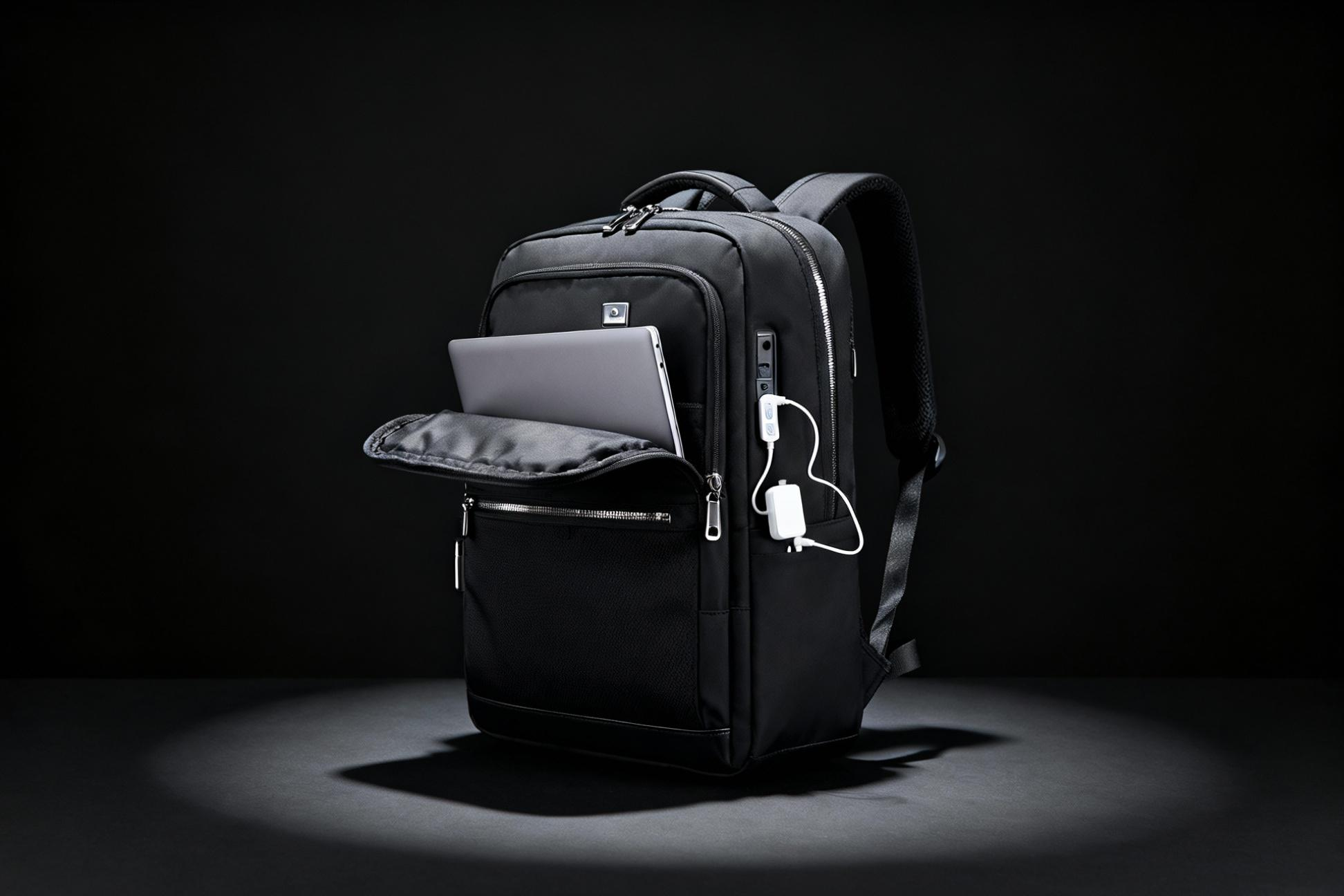
A backpack “feature list” is not yet a product specification. For a wholesale or private-label project, the useful question is not whether every popular feature belongs on the bag. It is which user problem the feature must solve, how it should work, and how the buyer will verify it on a sample.
This guide helps buyers turn broad requests such as “anti-theft”, “comfortable”, “USB charging” or “premium material” into a brief a supplier can quote and a sample can be reviewed against. It does not claim that every feature suits every bag, or that a catalogue product already provides a particular feature or performance level.
Updated 10 September 2026 by YUEHU Buying Guides. This revision replaces a dated consumer “top 10” list with a buyer-facing feature-brief method. Product-specific performance, compliance and commercial terms must be confirmed for each project.
1. Describe the user and the job the bag must do
Start with the intended use: commuting, short travel, school, outdoor day use, work equipment or a packable spare bag. Note the likely contents, the expected carrying time, the target market and the price position. “Travel backpack” alone is not enough; a buyer carrying a laptop and documents has different access, protection and organisation needs from a buyer carrying clothing for a weekend trip.
Keep the intended user separate from assumptions about their body type, medical needs or style preferences. A product brief can state a desired fit range, load range or device size, but it should not promise health benefits or universal comfort. That boundary helps designers, suppliers and marketers use the same language later.
2. Specify access and organisation before counting pockets
List the items that need their own space and explain why. For example, a laptop sleeve may need a stated device-size range and a defined position; a bottle pocket may need to be reachable while the bag is worn; a quick-access pocket may need a closure type. A long list of compartments can add cost, sewing complexity and failure points without improving the user experience.
Draw or mark the opening direction, pocket location and preferred closure on a reference image. If a compartment needs padding, define the item being protected and the conditions you expect it to withstand. “Protective” is a design goal, not a test result, until a method and acceptance criteria are agreed.
3. Turn material and hardware language into choices
For each visible or functional component, record what matters: outer fabric, lining, reinforcement, foam, webbing, zipper, buckle, label and packaging. If appearance is important, attach a colour reference or sample. If a substitute may be acceptable, say which characteristic may change and which may not.
Material names alone are rarely enough. A denier number, for example, does not identify the full fibre, construction, weight, coating or backing. Use our 210D, 420D and 600D fabric guide to frame the questions to ask. Do not turn a generic material description into a claim about water resistance, durability or the performance of the assembled backpack.
4. Treat electronics and security features as defined requirements
USB pass-throughs, cable routing, RFID-related materials, locking closures and concealed pockets can each create extra requirements. Before including one, decide what it is intended to do, who provides any removable parts, how it will be inspected and which market requirements may apply. A USB port is not a power source by itself, and a hidden zipper is not proof that a bag prevents theft.
For a security-related claim, document the construction, limitation and wording you plan to use. For an electronics-related feature, define component compatibility and the expected use conditions. If compliance, safety or performance is important to a sales claim, obtain appropriate specialist advice and project-specific evidence rather than relying on a generic feature list.
5. Describe carrying and comfort in observable terms
Instead of writing “ergonomic”, specify what the sample should include: strap width range, adjustment range, padding location, back-panel construction, sternum strap requirement or handle position. Then decide how the buyer will inspect those details. Comfort will vary by person and use, so a brief should not promise that a design eliminates pain or suits every body.
If load behaviour matters, state the intended contents and proposed evaluation conditions. A neat sample on a display table does not show how it performs in real carrying. Mark unknown points for sample review rather than making a durability or comfort promise before evidence is available.
6. Make the sample review part of the feature brief
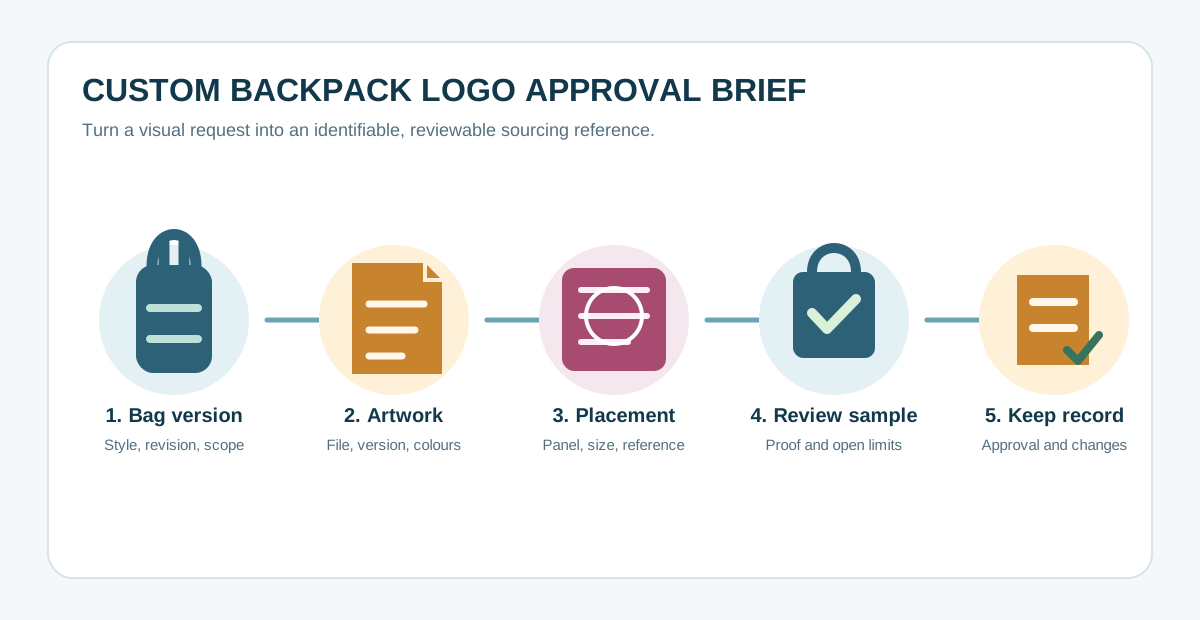
Give each sample a revision number and compare it against the same brief used for the quotation. Record which features are approved, which differ from the brief and which need a decision. Photos can help document visual details, but a photo cannot establish every hidden construction or performance point.
| Feature area | Write in the brief | Check on the sample |
|---|---|---|
| Device carry | Target device range, location and closure | Fit, access, edge protection and stated limits |
| Organisation | Items, pocket positions and opening direction | Reach, capacity assumptions and closure operation |
| Materials | Component list, colour reference and alternatives | Matches the agreed sample or record differences |
| Carry system | Strap, handle and back-panel requirements | Construction, adjustment and intended-use review |
| Special feature | Purpose, component source and limitation | Function under agreed conditions; unresolved risks |
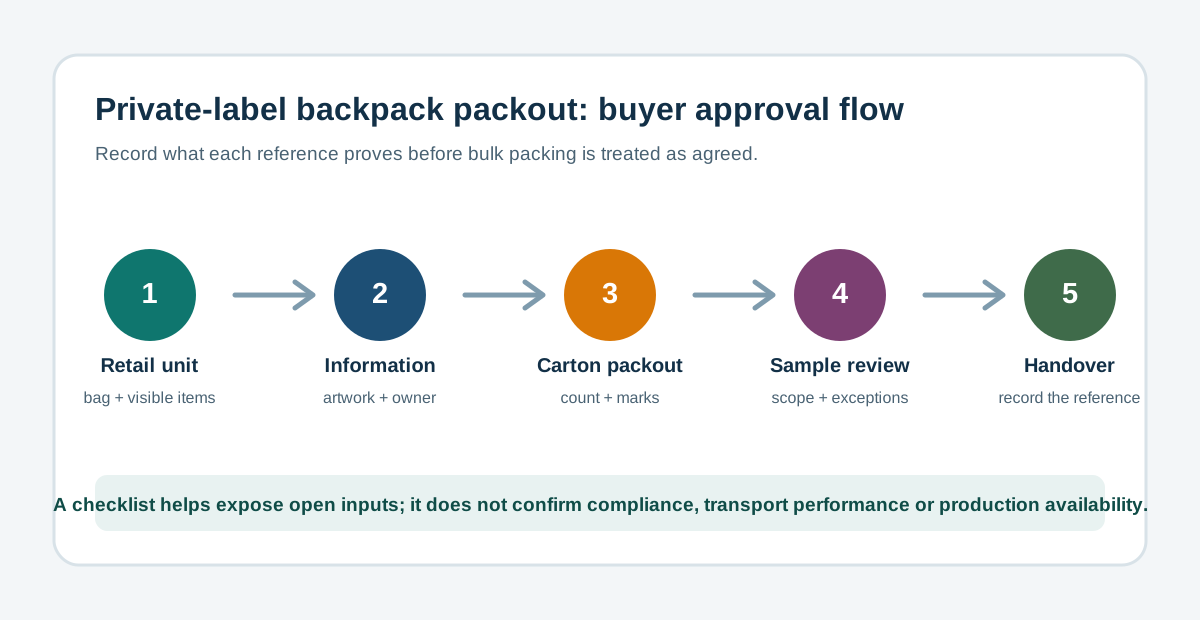
| Branding and packing | Placement, method, labels and pack-out | Artwork, position and packaging approval |
7. Request quotes against the same version
Share the current brief and clearly label it with a date or version. Ask every supplier to identify exclusions, assumptions and proposed alternatives. This avoids comparing a low quote for one bag with a fuller quote for another. The custom backpack RFQ template can help organise these questions before the first quotation.
A catalogue image can be a useful starting reference. It does not by itself establish material composition, capacity, test result, minimum order quantity, delivery timing or availability. Keep those commercial and technical points open until the supplier provides the relevant project information.
Use the brief to start a useful supplier conversation
For a YUEHU discussion, send your intended use, reference style, estimated quantity, branding needs and the feature decisions that are already fixed. We can identify what still needs to be defined for a sample or quotation. Browse backpack and bag references or discuss a backpack feature brief.
Leave a Comment